Saber CEO Apologises After AI Replacement Controversy
Saber Interactive CEO Issues Apology Over AI Writer Comments
In a significant turn of events within the gaming industry, Matthew Karch, CEO of Saber Interactive, has publicly apologized to writer Stella Sacco following controversial remarks he made regarding replacing her work with artificial intelligence.
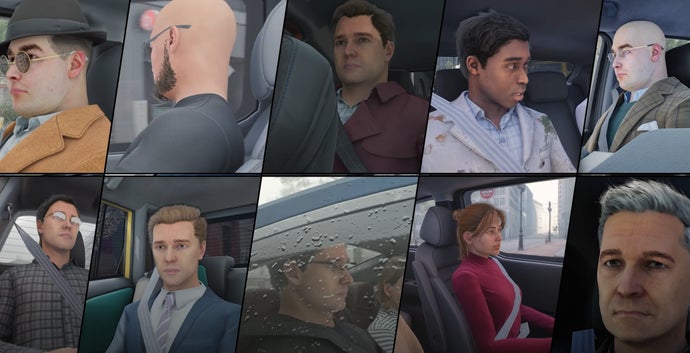
The incident stems from the ongoing debate surrounding the use of AI in game development, specifically involving the critically-panned Rideshare Simulator. During previous discussions about the game's writing quality, Karch had stated he would have been "happy to replace" Sacco with AI—comments that sparked considerable backlash from the gaming community and industry professionals alike.
Why This Matters for Gamers and Collectors
This controversy touches on several issues that resonate deeply with the gaming community. As collectors and enthusiasts, we invest not just money but emotional energy into the games we play. The quality of writing significantly impacts narrative-driven experiences, and the push to replace human creativity with AI raises legitimate concerns about the future of storytelling in interactive media.
The incident also highlights the broader conversation about artificial intelligence's role in creative industries. While AI tools can assist in development, the wholesale replacement of human writers threatens the artistic integrity that many collectors value. Games are artistic products, and many collectors specifically seek out titles for their unique creative vision and narrative excellence.
The Apology and Its Implications
Karch's apology represents a moment of reflection within the industry about how we discuss AI's implementation in game development. Rather than dismissing human creativity, the gaming industry should embrace AI as a complementary tool that enhances, rather than replaces, human talent.
For game collectors, this situation underscores why supporting original, human-created content remains important. The games we cherish—whether retro titles or modern masterpieces—are defined by the creative choices made by writers, designers, and artists who brought their unique perspectives to their work.
The Rideshare Simulator controversy serves as a cautionary tale about prioritizing cost-cutting over quality and respect for creative professionals. As the industry grapples with AI integration, collectors should remain vocal about valuing craftsmanship and human creativity.
This incident will likely influence how studios approach AI implementation going forward, potentially establishing better practices that respect both technological advancement and human artistic contribution. For collectors invested in gaming's creative future, it's a reminder of why these conversations matter.
Source: Eurogamer
More news